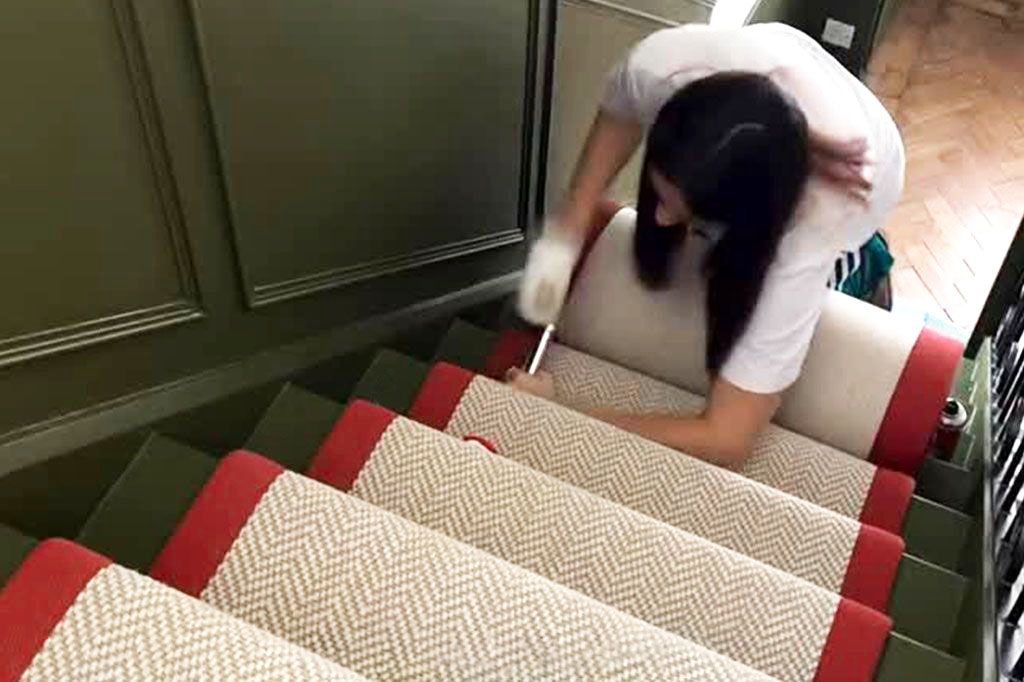
Many homeowners wonder whether fitting a stair runner is something they can realistically do themselves. In this guide, we’ll look at what’s involved, the challenges to expect, and whether installing a stair runner yourself is the right option for your home.
So, can I Install a Stair Runner Myself?
The short answer is: Yes! Many homeowners successfully fit stair runners themselves.
However, stair runner installation does require patience, accurate measuring, and attention to detail. Some staircases are much more DIY-friendly than others, and choosing the right runner can make the process significantly easier.
In this guide, we’ll cover:
- whether DIY stair runner installation is realistic
- the tools you’ll need
- common challenges
- which stair runners work best for self-installation
- when it’s worth hiring a professional
Is Stair Runner Installation Difficult?
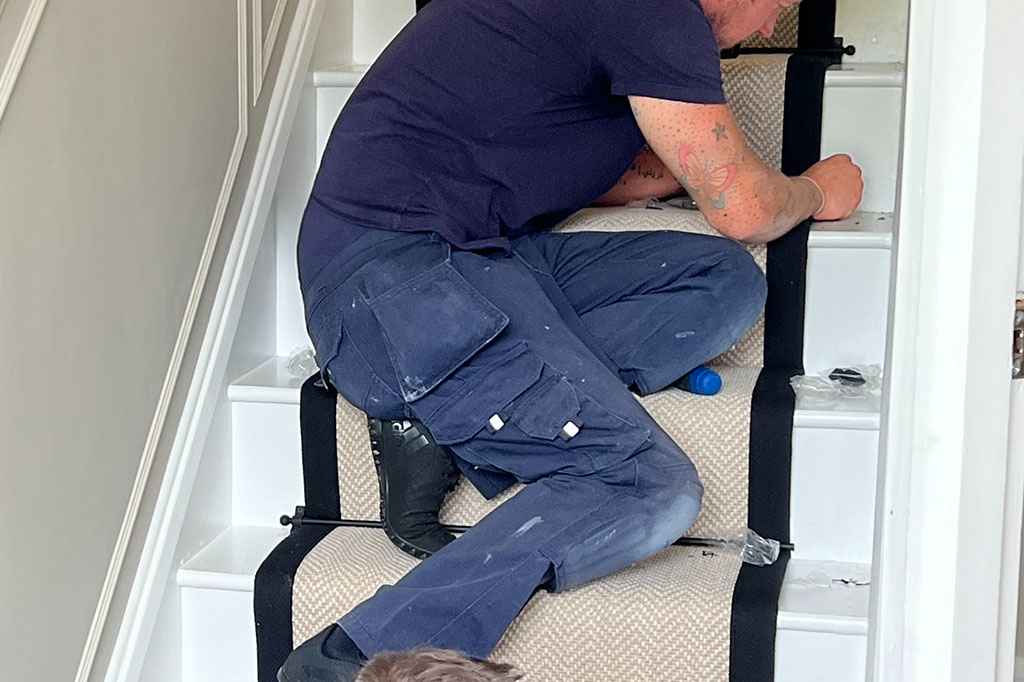
For confident DIYers, installing a stair runner is very achievable on a standard straight staircase.
The difficulty level depends on the staircase shape, the runner material and pattern, and your experience using carpet tools.
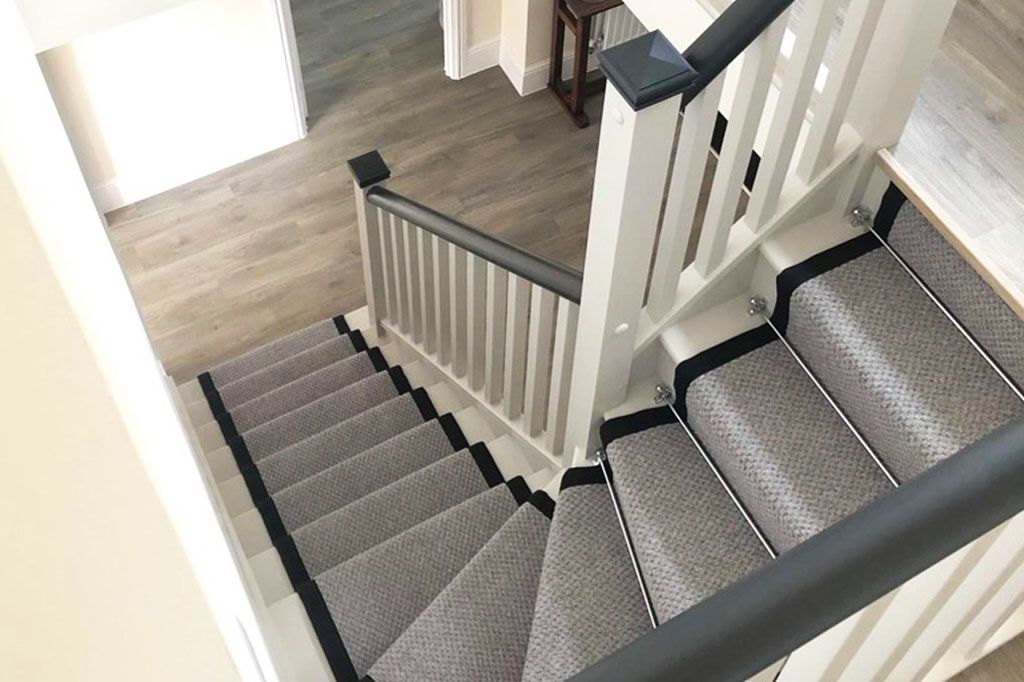
Straight staircases with simple landings are easiest for DIY fitters, while curved, winding or complex shaped staircases are more difficult. If your staircase has multiple turns or unusual angles, professional fitting is often worth considering.
What Tools Do You Need to Install a Stair Runner?
Basic stair runner installation typically requires:
- carpet gripper rods
- underlay
- staple gun or carpet tacker
- stair tool/bolster chisel
- sharp utility knife
- tape measure
- straight edge
- knee kicker (optional but helpful)
Accurate measuring is one of the most important parts of the process. Small mistakes become very visible on stairs.
What Is the Hardest Part of Installing a Stair Runner?
For most DIY installers, the trickiest parts are:
- keeping the runner perfectly centred
- maintaining even tension
- fitting neatly around stair nosings
- handling patterned runners
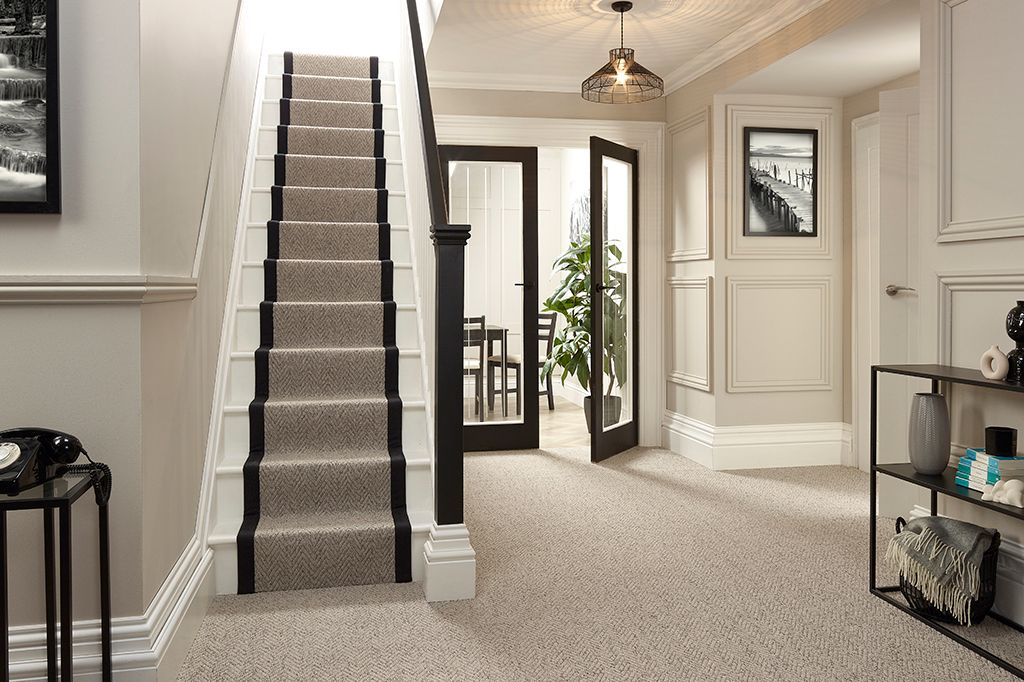
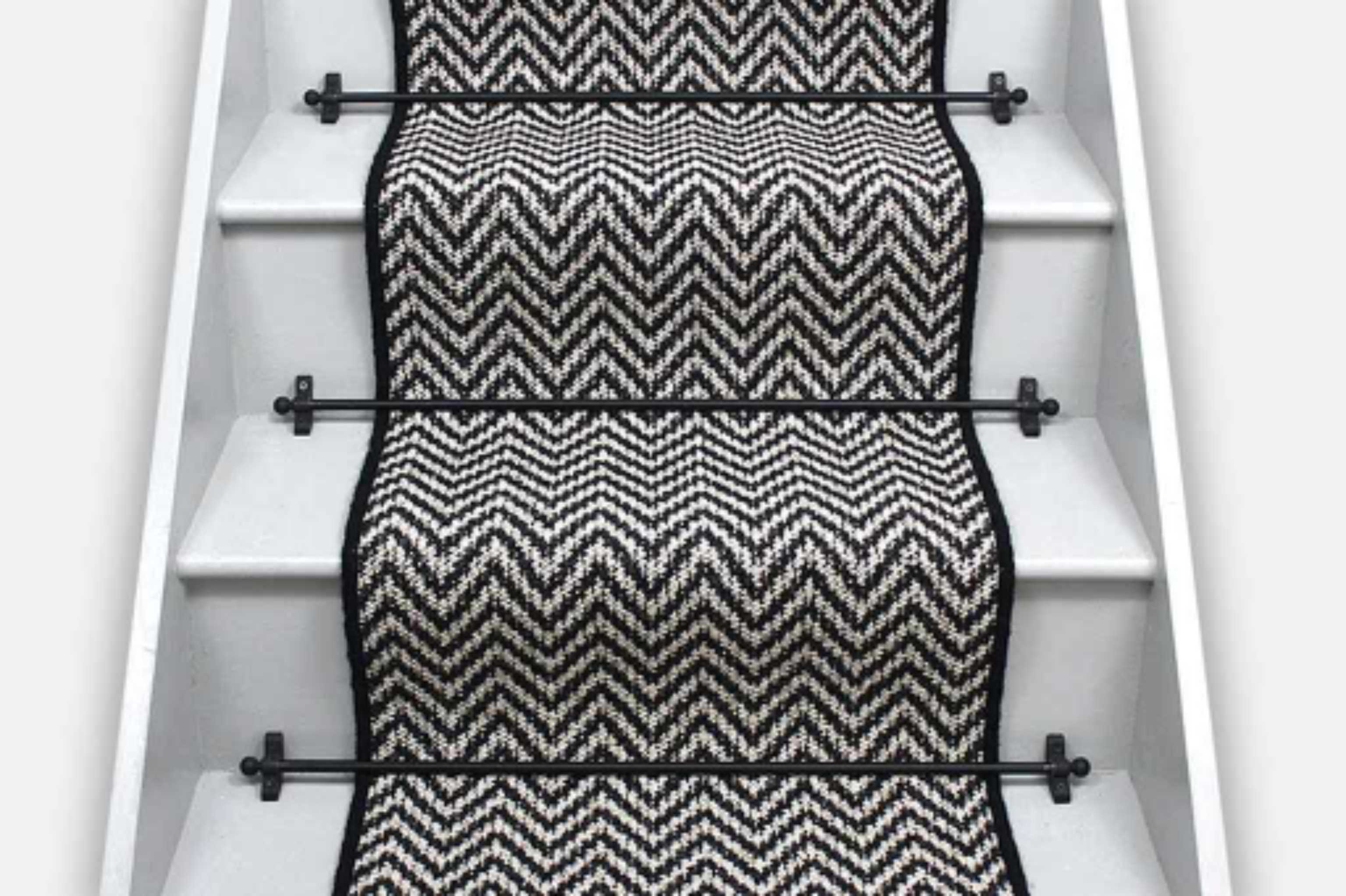
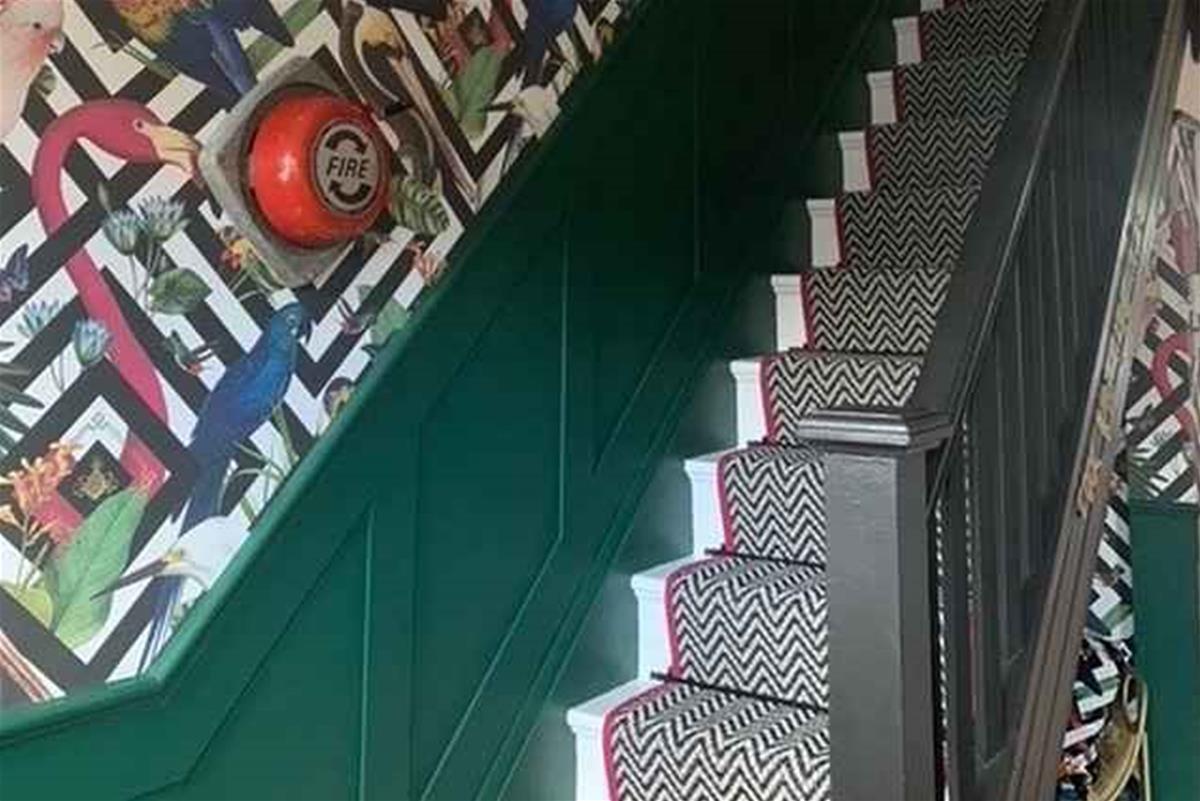
Textured designs such as herringbone runners look stunning, but alignment becomes more noticeable if the runner shifts slightly during fitting.
That said, many homeowners still choose patterned runners because they hide wear and footprints well.
The Country Herringbone Paloma Stair Runner is a particularly popular choice for this reason, and its durable polypropylene construction is practical, easy to work with, and suitable for heavy domestic use.
Best Stair Runners for DIY Installation
Some stair runners are simply easier to install than others.
Polypropylene Stair Runners
Polypropylene runners are often recommended for DIY installations because they are:
- durable
- flexible
- stain resistant
- easier to maintain
- forgiving in busy homes
They’re also ideal for family homes with children or pets.
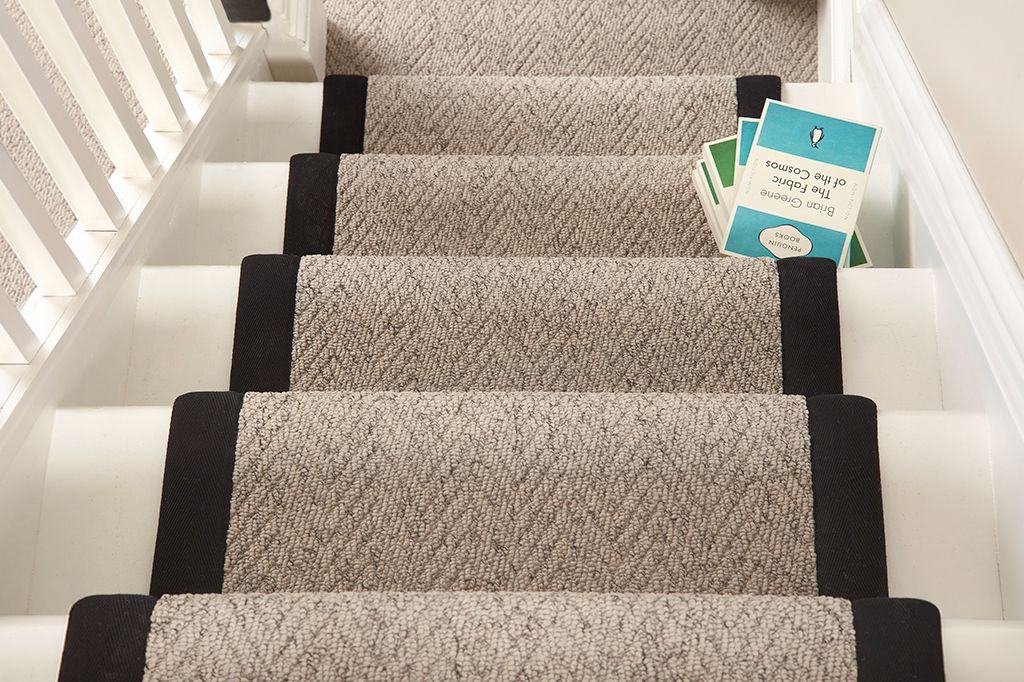
The Atlantic Herringbone Orce Stair Runner combines practicality with a classic textured finish that works beautifully on modern and traditional staircases alike.
Wool Stair Runners
Wool runners create a more luxurious feel and offer excellent durability, but they can be slightly less forgiving for first-time installer.
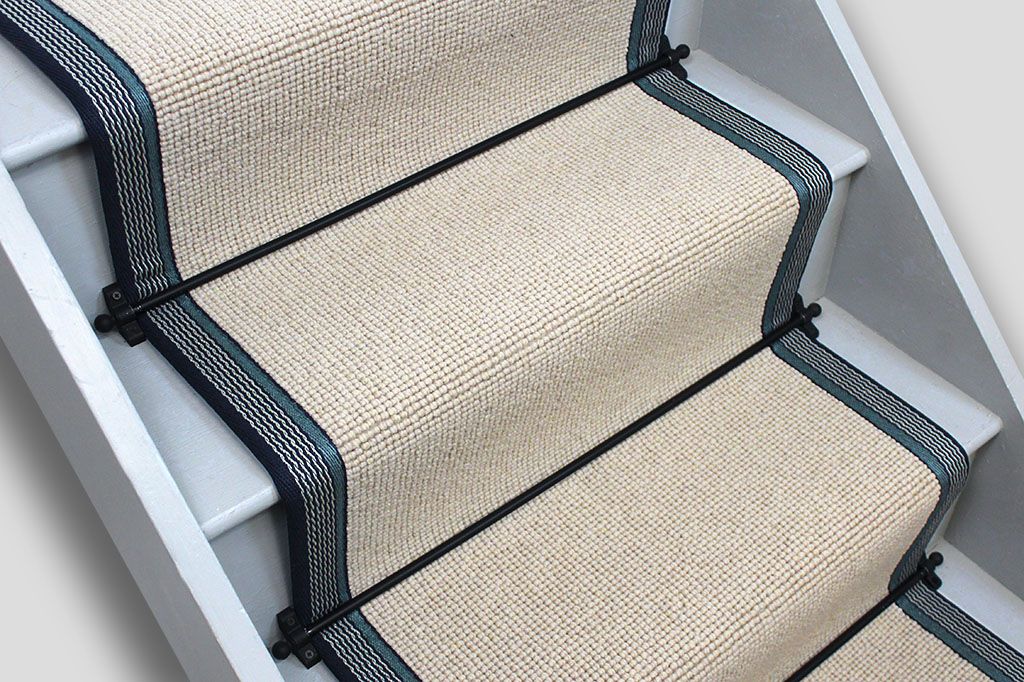
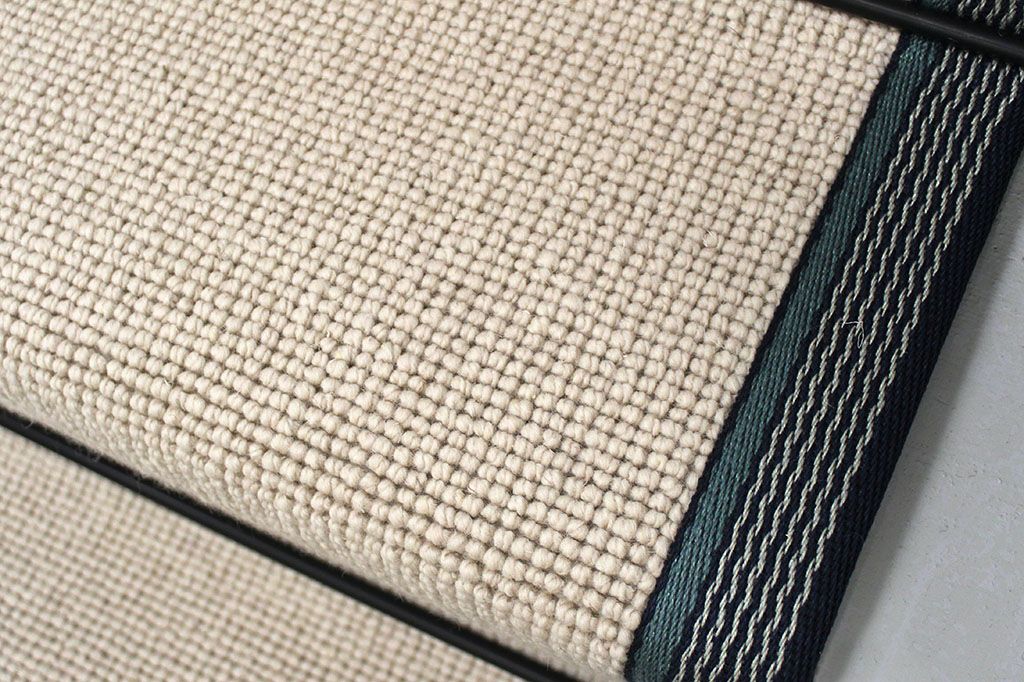
The Charter Plain Loop Knight Stair Runner is a durable wool option that works well on busy staircases thanks to its textured loop pile design.
Loop pile runners are often a smart choice because they:
- disguise footprints
- hide small fitting imperfections better
- wear evenly over time
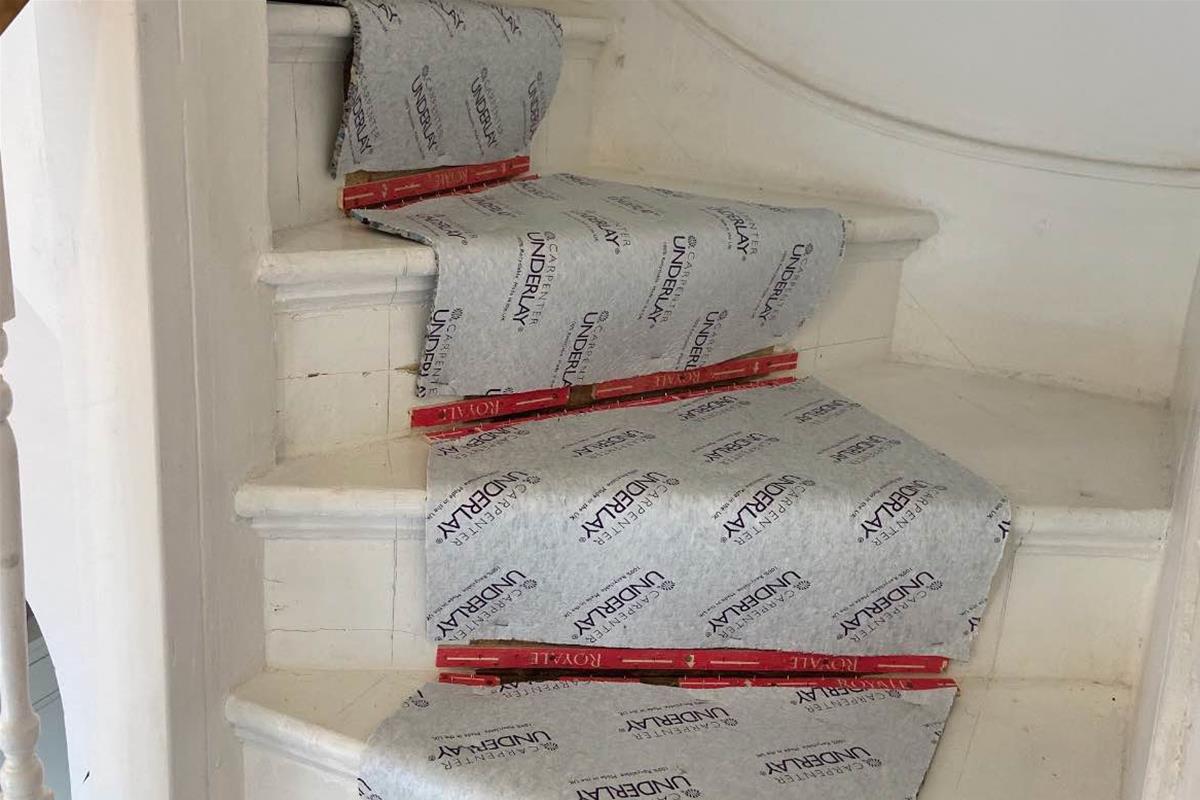
Do You Need Underlay?
Underlay is strongly recommended.
Skipping underlay is one of the most common stair runner installation mistakes.
A quality underlay helps:
- improve comfort
- reduce wear
- absorb sound
- extend the life of the runner
- improve the finished appearance
Underlay helps reduce pressure on the stair nosings where wear is most concentrated.
Can You Install Stair Rods Yourself?
Decorative stair rods are often easier to install than people expect.
Most modern stair rods are fitted:
- after the runner installation
- using brackets fixed to each stair
They mainly provide a decorative finish rather than holding the runner in place.
The benefits of stair rods are:
- Visual Appeal: They add luxury, depth, and a tailored finish to your staircase.
- Cohesive Design: Available in a vast array of finishes, such as polished brass, antique bronze, chrome, or black, they can be matched to your home's existing interior décor.
- Carpet Protection: By resting on the crease between steps, they minimize the friction and strain caused by constant foot traffic, stopping edges from fraying and prolonging the life of your carpet.
- Reduced Movement: Though modern runners are held by gripper rods or adhesives, stair rods provide an extra layer of security that limits the carpet from bunching or shifting.

Common DIY Stair Runner Mistakes
Before starting, it’s worth being aware of the most common issues:
- incorrect measurements
- uneven spacing on each side
- loose fitting around stair nosings
- poor pattern alignment
- using the wrong width runner
- insufficient underlay
Taking extra time during measuring and planning usually prevents most installation problems.
When Should You Hire a Professional?
DIY installation can save money, but there are situations where professional fitting is usually the better option.
You may want professional installation if:
- your staircase is curved or winding
- you’ve chosen an expensive natural fibre runner
- your staircase layout is complex
- pattern matching is critical
- you want a fully tailored finish
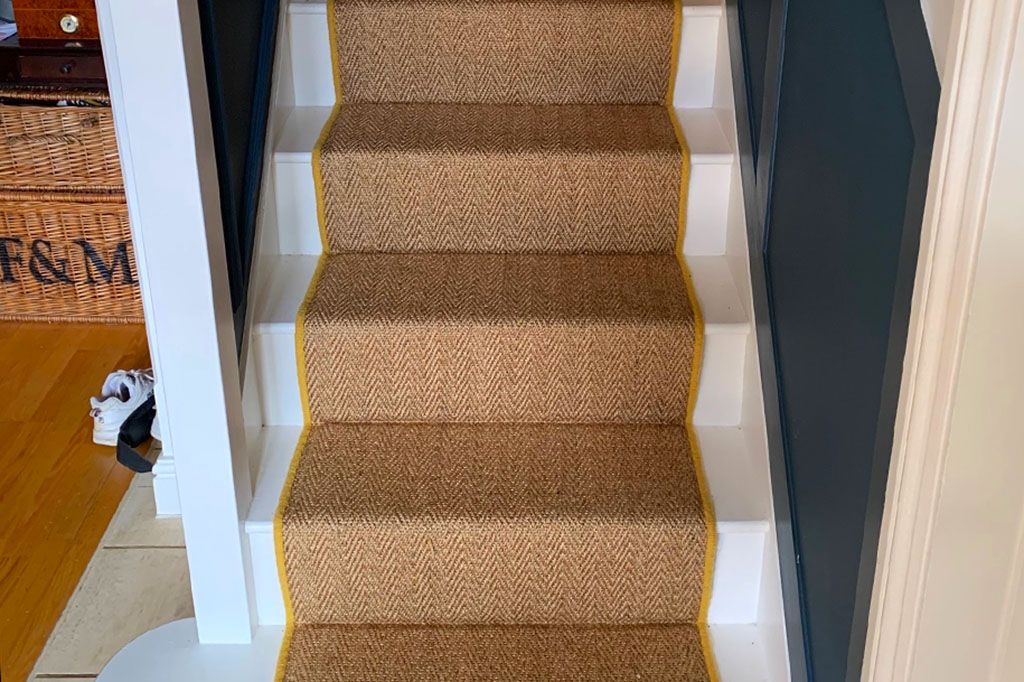
Natural flooring products such as sisal can be more challenging to work with due to their firmer texture and tighter fitting requirements.
The Honey Herringbone Sisal Stair Runner creates a stunning staircase finish, but careful installation is important to achieve a clean professional look.
So, can you install a stair runner yourself?
For many homeowners, absolutely.
With the right preparation, tools, and materials, a DIY stair runner project can be a very achievable weekend upgrade that completely transforms your hallway and staircase.
At Stair Runners Direct, we offer a wide range of stair runners suitable for both DIY installations and professional fitting, including wool, polypropylene, herringbone and natural flooring designs to suit every style of home.
For more information on fitting check out our DIY guide: How To Fit A Stair Runner